Hot Weather Tips for Older People at Home in Northern Ireland
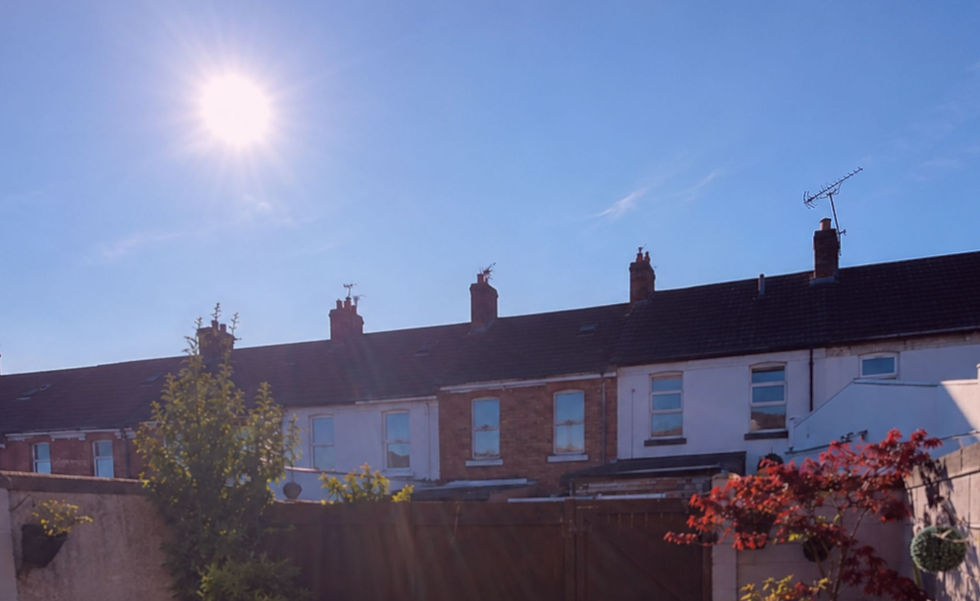
Warm weather can be enjoyable, but for older people living at home, it can also make everyday routines more difficult.
During a hot spell, small things can start to feel harder. Sleep may be disturbed, appetite can change, energy levels may drop, and it can become easier to become dehydrated without realising. For someone who lives alone, manages regular medication, or already feels unsteady on their feet, warmer weather can quickly become uncomfortable and sometimes unsafe.
In Northern Ireland, we are not always used to long stretches of high temperatures, so the risks can be easy to underestimate. A few simple changes, such as keeping drinks close by, cooling the home and checking in more often, can make a real difference to someone’s comfort and wellbeing.
This guide shares practical hot weather tips for older people at home, including how to reduce the risk of overheating, what warning signs to look out for, and when it may be time to seek help.
Why hot weather can affect older people more
Older people can be more vulnerable in warm weather, especially if they live alone, have long-term health conditions, or find it harder to move around the house. When someone is already managing day-to-day routines carefully, a hot spell can put extra pressure on their body.
The NHS explains that hot weather can increase the risk of dehydration, overheating, heat exhaustion and heatstroke. These risks do not always happen suddenly. They can build gradually over a few warm days, particularly if the house stays hot overnight or the person is not drinking enough fluids.
Dehydration can also be easy to miss. Some older people may not feel thirsty, even when their body needs more fluid. Others may avoid drinking because they are worried about needing the toilet more often. Over time, this can leave them feeling weak, dizzy, tired or confused.
Medication is another important thing to think about. Some medicines can affect how the body copes with heat, or how easily someone becomes dehydrated. Age UK advises older people to speak to a GP or pharmacist if they are worried about their medication during hot weather.
Keep drinks close and make hydration easier
One of the most important things during hot weather is to keep drinking regularly.
For older people at home, this can be easier if drinks are already within reach. Keep a jug of water beside the chair, a bottle beside the bed, or a favourite cup in the room they use most.
Helpful ideas include:
Offering small drinks often, rather than one large drink
Keeping water, diluted juice or milk nearby
Encouraging foods with higher water content, such as fruit, yoghurt or soup when suitable
Making drinks part of normal routines, such as after medication or with every meal
If someone has been told to restrict fluids for medical reasons, follow their clinical advice and speak to a healthcare professional if you are unsure.
Keep the home as cool as possible
A home can heat up quickly during the day, especially when strong sunlight comes through the windows for several hours. For an older person, this can make the house feel uncomfortable, tiring and difficult to settle in.
The Public Health Agency recommends keeping windows closed and shades or blinds pulled down when it is hotter outside, then opening windows for ventilation when the air is cooler and it is safe to do so.
Simple ways to help keep the home cooler include:
Closing curtains or blinds in rooms that get direct sun
Opening windows in the evening if the air outside feels cooler
Using a fan safely, if it helps the person feel more comfortable
Spending time in the coolest room in the house
Turning off lights and electrical items that are not needed
Wearing loose, light clothing
Small cooling measures can also help. A cool cloth on the wrists, neck or forehead may bring some relief. The NHS also suggests cooling down with a cool shower, or by putting cool water on the skin or clothes.
Plan the day around the cooler hours
During hot weather, the time of day can make a big difference.
The NHS advises staying out of the heat where possible and keeping to the shade between 11am and 3pm. Age UK also recommends avoiding too much time outside or doing physical activity during the hottest part of the day.
For older people, it can help to plan the day around the cooler hours. Important tasks, appointments or short walks may feel easier earlier in the morning or later in the evening.
Helpful steps can include:
Arranging appointments at cooler times where possible
Avoiding heavy housework during the hottest part of the day
Preparing simple, lighter meals that are easier to manage
Keeping medication, drinks and essentials close by
Building in more time to rest between tasks
If someone usually enjoys getting out for a walk, they may not need to stop altogether. It may simply be safer to go earlier in the morning, choose a shaded route, wear light clothing and bring water with them.
Watch for signs of heat exhaustion and heatstroke
Heat exhaustion can happen when the body becomes too hot and is struggling to cool itself down. It can come on gradually, especially during a few days of warm weather.
The NHS lists symptoms of heat exhaustion as tiredness, dizziness, headache, feeling sick, excessive sweating, muscle cramps, fast breathing or heartbeat, a high temperature and feeling very thirsty.
If you notice these signs, help the person move to a cooler place as soon as possible. Encourage them to rest, sip cool drinks if they are able to, and loosen any unnecessary clothing. The NHS says heat exhaustion does not usually need emergency medical help if the person can cool down within 30 minutes.
Heatstroke is more serious and needs urgent attention. Nidirect warns that heatstroke can develop suddenly and may quickly lead to unconsciousness. Signs can include confusion, hot red dry skin, a sudden rise in temperature, aggression, convulsions or loss of consciousness.
If symptoms get worse, do not improve, or you are worried about the person, seek medical advice urgently. In an emergency, call 999.
Check in more often during a heatwave
A quick visit or phone call can make a real difference during hot weather, especially for someone who lives alone.
Family members, friends and neighbours can help by checking that the person has enough food, drinks and medication within easy reach. A visit can also make it easier to notice changes that may not come across on the phone, such as confusion, tiredness, dizziness, a very warm room, or signs that the person has not been drinking or eating as usual.
A helpful check-in might include:
Have they had enough to drink today?
Have they eaten something?
Does the room feel too warm?
Are curtains or blinds closed on the sunny side of the house?
Do they seem more tired, confused or unwell than usual?
Are they taking medication as normal?
Do they need help with shopping, appointments or collecting prescriptions?
For someone living alone, these small checks can be reassuring. They also give families a chance to spot concerns early and put support in place before things become more difficult.
How home care can help during hot weather
Home care can offer practical support and reassurance, especially when families are worried about how a loved one is managing day to day.
A care assistant can help with drinks, meals, personal care, medication prompts, light household routines and companionship. They may also notice small changes, such as someone seeming more tired, confused, unsteady, quieter than usual, or not quite themselves.
At Unique Home Care NI, our carers support people in their own homes across Belfast, County Down and surrounding areas. Because care is built around each person, support can be adjusted when the weather changes or when someone needs a little more reassurance.
For some clients, summer support may be as simple as making sure drinks are close by, preparing lighter meals, encouraging rest, checking that the home feels comfortable and spending time with them during the day.
Unique Home Care NI is an RQIA registered home care provider and has been supporting people in Northern Ireland since 2017. Our focus is on helping people feel safe, respected and comfortable at home, while giving families confidence that someone is noticing the small things that can make a big difference.
When to ask for help
You should seek medical advice if a loved one seems unwell in the heat and does not improve after moving somewhere cooler, resting and drinking fluids.
Call 999 if you think someone may have heatstroke, loses consciousness, has a seizure, becomes very confused, or their symptoms are severe. It is always better to act quickly if you are seriously worried.
For non-emergency concerns, contact a GP, pharmacist, NHS 111 where available, or another appropriate healthcare professional for advice.
If you are worried that a loved one is finding warmer weather difficult at home, it may also be time to think about extra support. This does not have to mean changing everything at once. Sometimes, a small amount of help each week can make daily life feel safer, calmer and more manageable.
At Unique Home Care NI, we support people at home with companionship, personal care, medication prompts and regular visits for reassurance. To learn more, explore our home care options or contact our team to discuss what support could look like for your family.


Comments